DP-750 · 2.2.1 · Secure and govern Unity Catalog objects
Definitions and descriptions
Create, implement, and preserve table and column definitions and descriptions for data discovery
Document tables and columns with durable comments so people and tools can discover and interpret data correctly.
Put meaning beside the asset
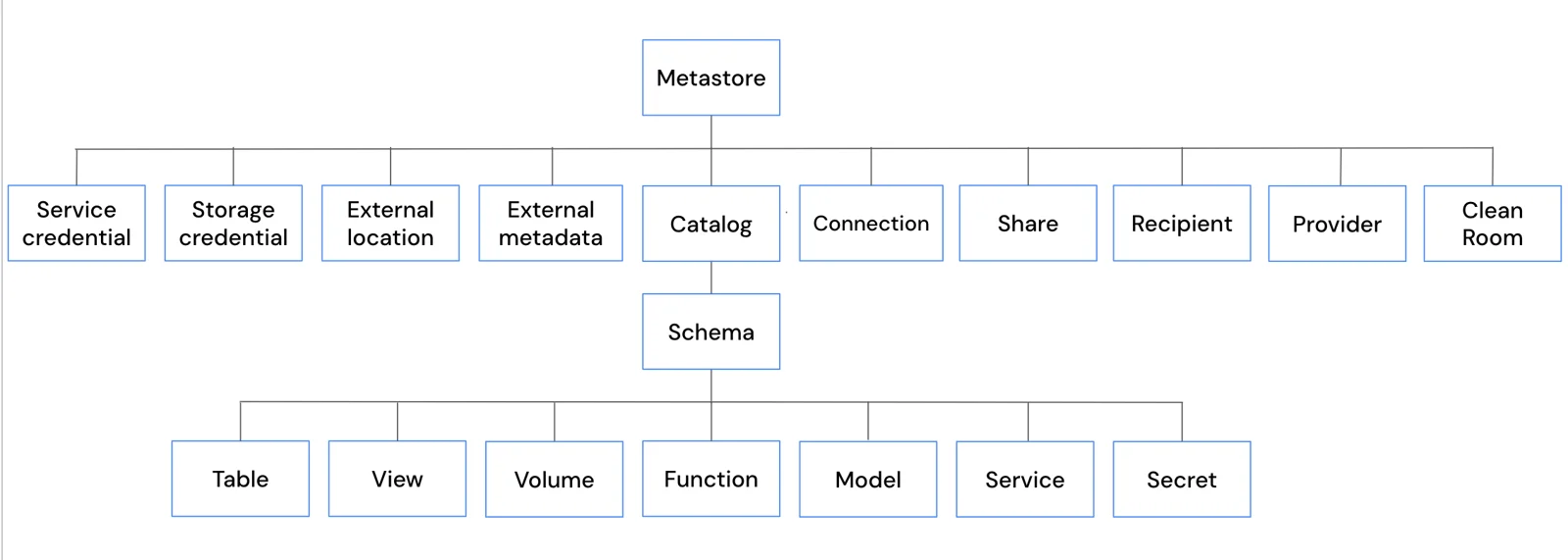
Descriptions belong on the governed objects themselves so users and tools discover meaning where they discover the data.
Describe the right level
Table comment
- Explains
- Dataset purpose
- Include
- Scope and business context
- Avoid
- Implementation trivia
Column comment
- Explains
- Field meaning
- Include
- Units and interpretation
- Avoid
- Repeating the column name
A good table description explains what the dataset represents. Column comments explain the business meaning of individual fields.
Make discovery work
- 1Names and commentsDurable governed metadata
- 2Catalog ExplorerHuman browsing
- 3Workspace searchKeyword and semantic discovery
- 4ConsumerUnderstands data before querying
Keeping definitions only in a separate wiki creates drift.
Key points
- Table comments: Explain dataset purpose and scope
- Column comments: Define meaning, units, and business context
- Catalog Explorer: Displays governed metadata
- Search: Uses names and comments for discovery
Exam trap
A good description explains meaning, not implementation trivia that quickly becomes stale.
Go deeper on Microsoft Learn
Checked against Microsoft Learn on October 4, 2026. Report a problem with this card