DP-750 · 1.2.5 · Set up and configure an Azure Databricks environment
Tables and views
Create tables, views, and materialized views
Choose persisted tables, logical views, or materialized views based on storage and freshness requirements.
Pick by what should persist
Table
- Stores rows
- Yes
- Stores query logic
- Sometimes
- Recomputes on read
- No
View
- Stores rows
- No
- Stores query logic
- Yes
- Recomputes on read
- Yes
Materialized view
- Stores rows
- Yes
- Stores query logic
- Yes
- Recomputes on read
- No
A table stores rows. A standard view stores query logic and computes on read. A materialized view stores refreshed results from its defining query.
See how materialization works

Materialized views are maintained through a managed flow. They fit repeated expensive transformations when precomputed results and managed refresh behavior meet the freshness requirement.
Place the object correctly
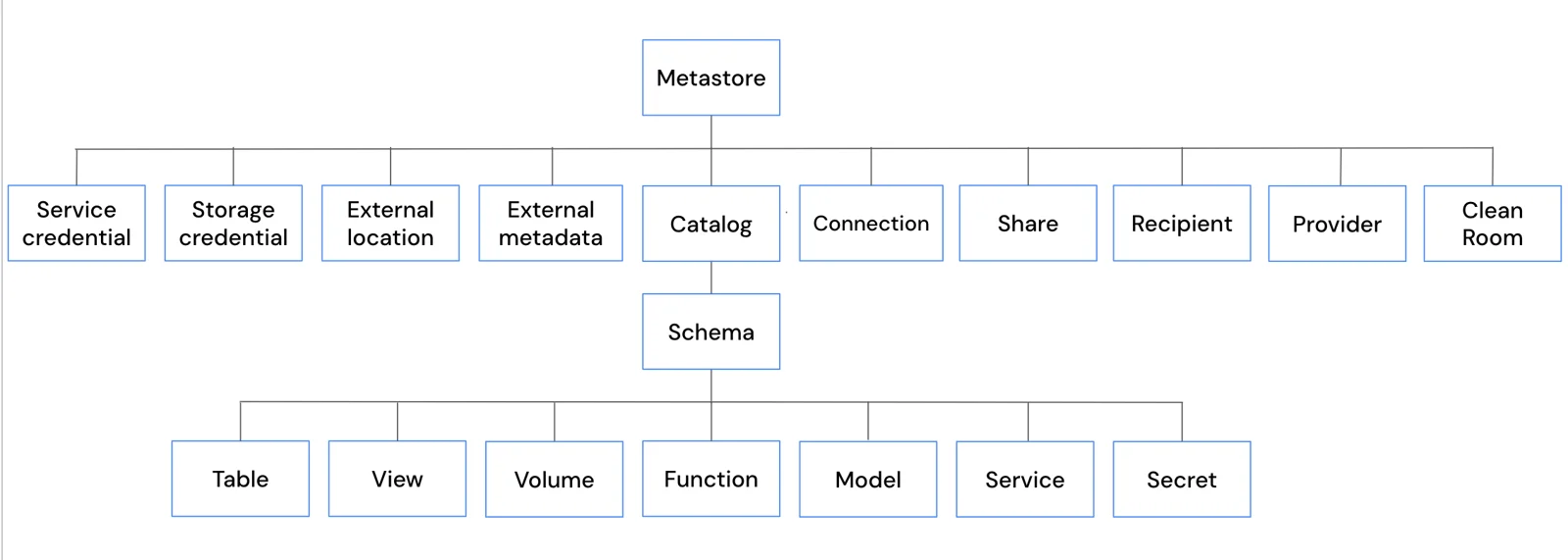
Tables and views both live at the object level inside a schema. Choose the object type from persistence and refresh semantics, not from how tabular the result looks.
Key points
- Table: Persists data rows
- View: Stores query logic and computes on read
- Materialized view: Stores refreshed query results
- Security: Views can provide governed logical interfaces
Exam trap
A normal view does not precompute and persist its query result.
Sources · 2 Microsoft Learn pages Show ▾
Checked on October 4, 2026. Report a problem
Go deeper on Microsoft Learn
Checked against Microsoft Learn on October 4, 2026. Report a problem with this card