DP-750 · 2.1.1 · Secure and govern Unity Catalog objects
Grant UC privileges
Grant privileges to a principal (user, service principal, or group) for securable objects in Unity Catalog
Grant privileges to users, groups, or service principals on the smallest securable scope that meets the need.
See the access path
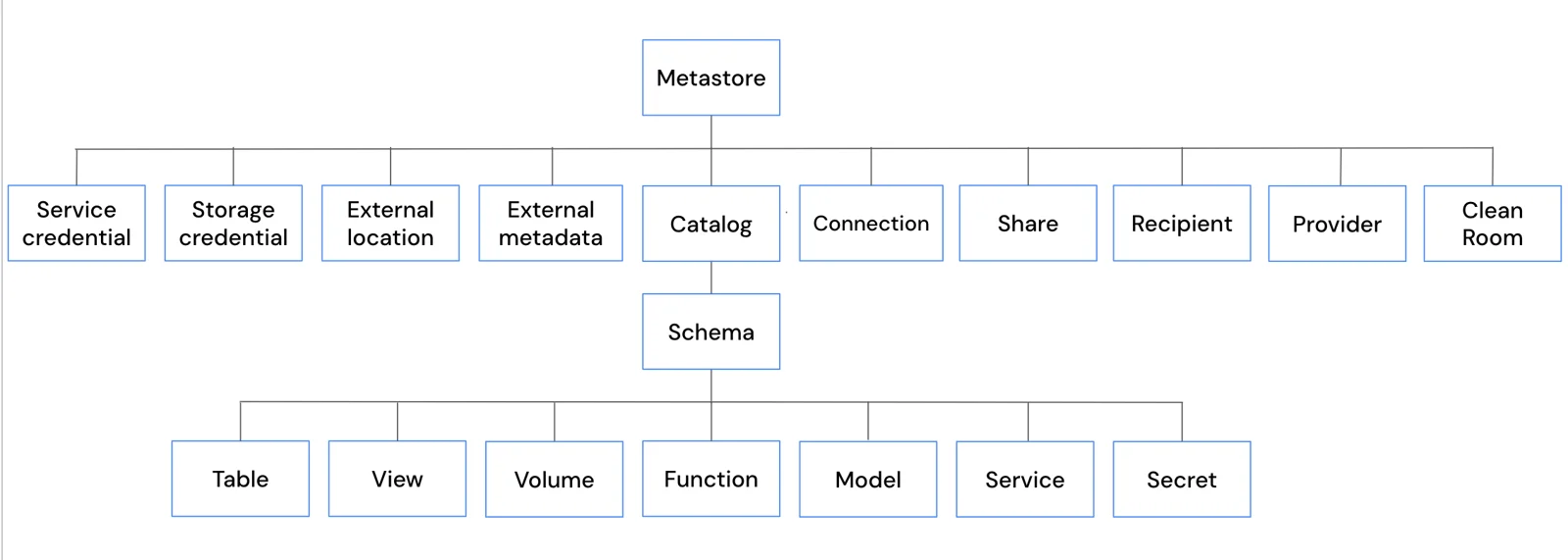
A principal reaches data through the Unity Catalog hierarchy. A table reader normally needs the required parent usage privileges plus the data privilege on the object.
Grant only the needed action
- 1PrincipalUser, group, or service principal
- 2CatalogUSE CATALOG
- 3SchemaUSE SCHEMA
- 4TableSELECT
GRANT adds a privilege and REVOKE removes it. Data privileges are separate from compute ACLs.
Prefer groups for people
- One automation identityService principal
- A team of peopleGroup
- One exceptional userUser
Group grants scale better because membership can change without redesigning object permissions.
Key points
- Principal: User, group, or service principal
- GRANT: Adds a privilege on a securable
- REVOKE: Removes a previously available privilege
- Hierarchy: Parent usage privileges can still be required
Exam trap
SELECT on a table is not enough when required USE CATALOG or USE SCHEMA is missing.
Sources · 1 Microsoft Learn page Show ▾
Checked on October 4, 2026. Report a problem
Go deeper on Microsoft Learn
Checked against Microsoft Learn on October 4, 2026. Report a problem with this card