PL-300 · 2.1.4 · Model the data
Common date table
Create a common date table
Use one shared so time filters behave consistently across the model.
One calendar for the model
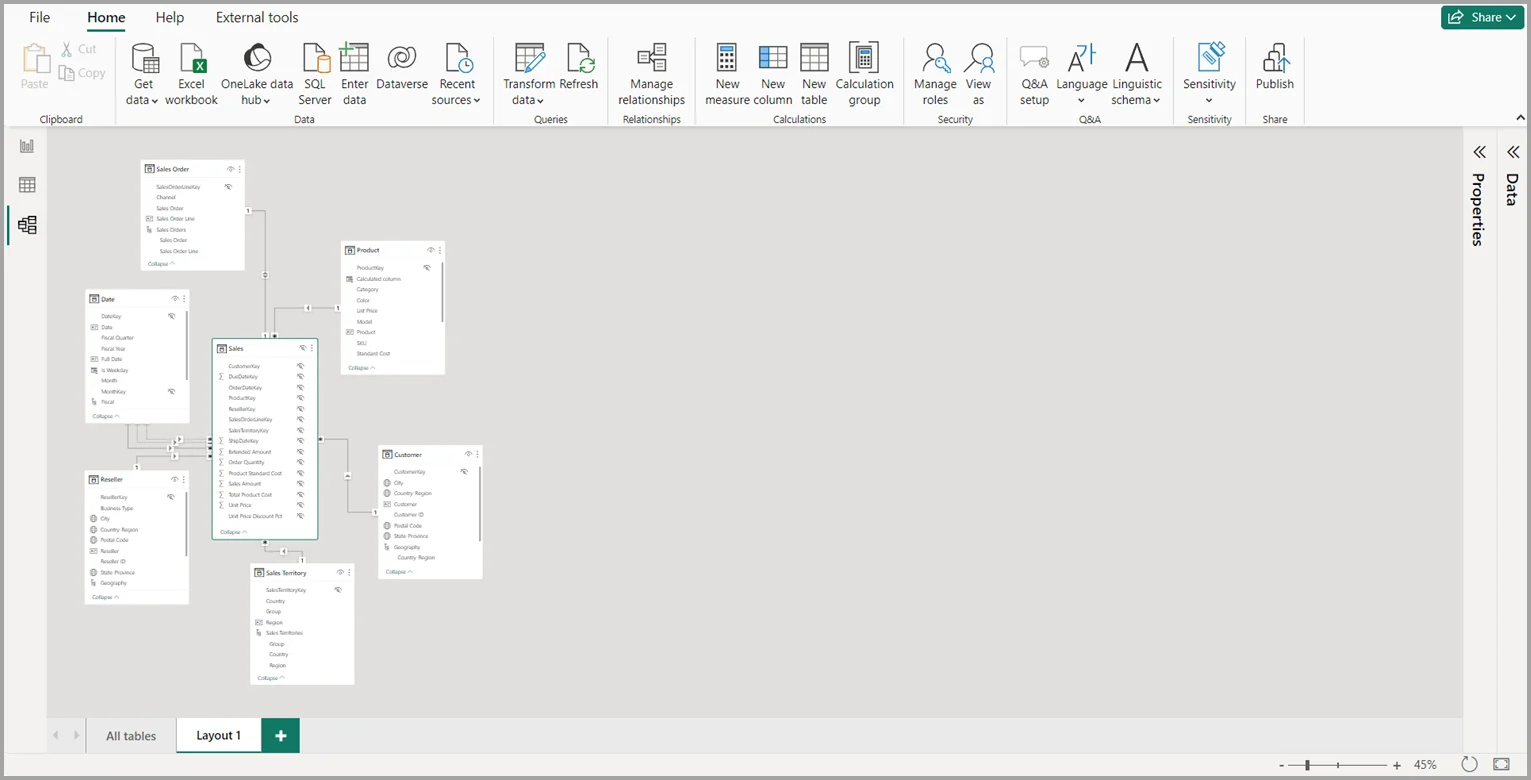
A gives every the same definitions for year, quarter, month, and day. Its date column should contain one unique, nonblank row for every date in a continuous range.
Choose how to create it
Use CALENDAR when you want explicit start and end dates. Use when the model's date columns should determine the range. is different: it creates separate hidden instead of one reusable dimension.
Why the date table matters
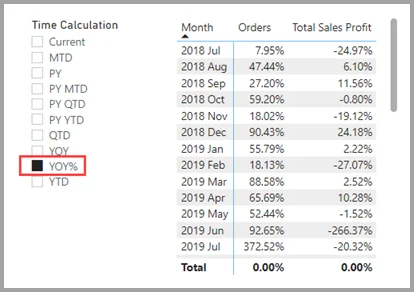
A shared date table gives time-intelligence one consistent date path and lets multiple fact tables respond to the same . Mark it as a date table when classic time-intelligence behavior requires it.
Exam clue: reusable calendar across facts = common date table; hidden calendar per date column = Auto date/time.
Key points
- Date column: unique, continuous, and nonblank
- CALENDAR: explicit start and end dates
- : derives range from model dates
- Mark as : required for classic
Click an underlined term for a one-line explanation, or see them all in the glossary .
Exam trap
creates separate hidden , not one reusable common date dimension.
Sources · 2 Microsoft Learn pages Show ▾
Checked on October 4, 2026. Report a problem
Go deeper on Microsoft Learn
Checked against Microsoft Learn on October 4, 2026. Report a problem with this card