PL-300 · 2.2.5 · Model the data
Semi-additive measures
Create semi-additive measures
aggregate across some dimensions but require special handling across time.
A snapshot cannot always be summed over time
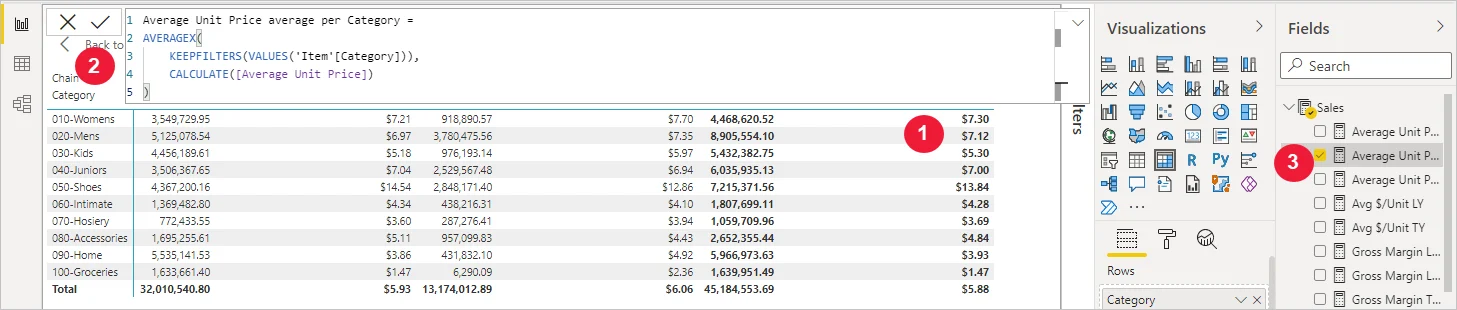
Sales events are additive across time. A balance, inventory level, or headcount is a snapshot: adding January and February usually counts the same continuing state twice.
Add across one dimension, not another
A can still be additive across dimensions such as product or location. The special treatment is usually the time dimension.
| Business value | Across products | Across months |
|---|---|---|
| Units sold | Sum | Sum |
| Inventory on hand | Sum | Usually take a point in time |
| Account balance | Sum | Usually take a point in time |
Opening and closing balance
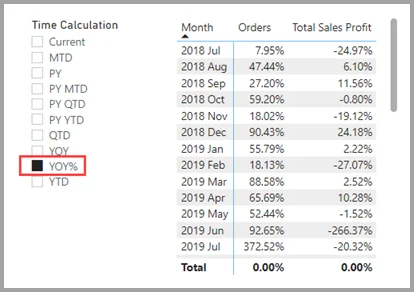
Opening-balance functions evaluate at a period's beginning; closing-balance functions evaluate at its end. Both depend on reliable date context.
Exam clue: balance, stock, or headcount over time is a semi-additive warning sign.
Key points
- Balances: usually should not sum across time
- Closing balance: evaluates the period's last date
- Opening balance: evaluates the period's first date
- : required for time-intelligence functions
Click an underlined term for a one-line explanation, or see them all in the glossary .
Exam trap
Summing monthly balances across a year usually double counts the same continuing balance.
Sources · 3 Microsoft Learn pages Show ▾
- CLOSINGBALANCEMONTH function (DAX)
- Time intelligence functions (DAX)
- Additional time intelligence calculations
Checked on October 4, 2026. Report a problem
Go deeper on Microsoft Learn
- CLOSINGBALANCEMONTH function (DAX)
- Time intelligence functions (DAX)
- Additional time intelligence calculations
Checked against Microsoft Learn on October 4, 2026. Report a problem with this card